Edgware Removals in Edgware

Edgware removals should feel organised from the first conversation through to the last item being set down. Our service focuses on practical house and flat moving support for people who want careful handling, clear planning and a straightforward way to arrange transport, loading and delivery. Whether you are moving from a compact apartment, a family house or a property with awkward access, the aim is to keep the process ordered and manageable.
We work with the basics that matter on moving day: suitable vehicle choice, sensible load planning, wrapping and carrying for everyday furniture, and a pace that respects the property you are leaving and the one you are entering. For customers comparing options, our removals service gives a broader view of what is available, while this page explains the main household moving work in more practical detail.
If you are planning a move in Edgware, you can use this page to understand the type of service we provide and then request a quotation in the way that suits you best. A short outline of the property, access and the main items to move is usually enough to begin. Start with the essentials, and the rest can be shaped around the move itself.
House moving support for local and cross-area removals
House removals are rarely just about lifting furniture. They are about sequencing the day so that bedrooms, living rooms, kitchens and storage areas are cleared in a sensible order. We can support single-room moves, full-property removals and moves that include bulky items such as wardrobes, beds, dining tables, bookshelves and appliances. The service is designed to reduce avoidable handling and to keep the route from property to vehicle as efficient as possible.
For many customers, the most useful part of a removal plan is deciding what needs specialist care. Fragile décor, mirrors, glass shelving, electronics and awkwardly shaped furniture often benefit from extra wrapping or separating before loading. If you are comparing household moving options, the pages for home moves and house removals can help you see how the service is framed for domestic relocations, while the general house movers page is useful when you want a simple overview of the moving team approach.
Moving day works best when the load is thought through in advance. A good plan considers the largest items first, then lighter boxed goods, then the final loose pieces and finishing touches. If you are preparing for a move and want to reduce stress, it helps to group belongings by room and separate items that should travel with you personally. Clear labelling and an agreed collection order can make a noticeable difference to the pace of the day.
Packing, lifting and careful handling

Packing support can be an important part of a removals arrangement, especially when a household has mixed contents, delicate items or a limited timeframe. Our packing and unpacking work is intended to support the move rather than replace your own choices completely. Some customers want assistance with only the fragile pieces, while others prefer more comprehensive help across the property. Either approach can be planned around the size of the load and the level of preparation already completed.
The linked packing and unpacking services page explains that side of the work in more detail. In practice, the benefit is often in reducing pressure around boxes, protective materials and the order in which rooms are cleared. Items that break easily should be kept separate from heavier household goods, and contents that are needed immediately on arrival can be grouped so they are easier to identify once delivered. That kind of organisation is especially useful when a move involves several floors or narrow access.
We also think carefully about lifting technique and handling pathways. Door widths, stair turns, landing space and parking position can all affect how a removal is managed. Good lifting is not just strength; it is about protecting the item, the walls and the people carrying it. Where necessary, furniture may need to be disassembled or carried in a different orientation so that it can pass safely through the property.
Vehicle choice, load size and the shape of the move
Every removal has a different vehicle requirement. A small flat move may suit a more compact van arrangement, while a larger household with multiple rooms and heavier furniture may need something with greater capacity. Choosing the right transport matters because it affects how many trips are needed, how the load is secured and how efficiently the day progresses. The aim is to match the moving vehicle to the actual contents rather than rely on a one-size-fits-all assumption.
If you are still working out what level of service fits your move, the pages for moving van, moving truck and removal van provide useful comparisons of vehicle-led options. Some customers only need a practical transport solution; others need a fuller removal service that includes handling, loading and delivery management. Either way, a sensible assessment of volume, access and load type helps to avoid unnecessary complications.
It is also worth considering the layout of the property at both ends of the move. Tight driveways, limited parking and upper-floor rooms can all influence how quickly items can be carried and loaded. If certain pieces are especially heavy or awkward, it may be better to plan their removal first so that the rest of the property can be cleared more smoothly. This is where a simple, realistic plan can save time and reduce friction on the day.
Commercial moving for offices and business premises

Although this page is focused on household removals, some customers also need help with business moves that involve desks, chairs, filing, stock, equipment and meeting-room furniture. Commercial moving needs a different kind of order because items often have to be transferred with minimal disruption to work routines and with attention to labelled contents. Our commercial move support is therefore best viewed as a structured transport and handling service for office contents rather than a generic clearance.
The commercial moves page sets out the wider business relocation side of the work, while office removals and office relocation services are relevant if you are moving workstations, IT equipment or workplace furniture. In an office setting, it is often helpful to separate everyday furniture from sensitive equipment and to identify anything that must remain accessible until the last stage of the move. That keeps the relocation ordered and helps the team follow the intended sequence.
Business owners sometimes want to know whether a move can be broken into stages. In many cases, yes: a move may be arranged so that non-essential furniture, archived material and surplus items travel before the final working stations are transferred. Where a building has shared corridors, lift restrictions or loading arrangements, those details should be included early in the plan so the route can be considered properly. Clarity at the start makes the rest easier to manage.
Why customers look for a simple removals plan
A straightforward removals plan usually comes down to three questions: what is being moved, where it is going and how much handling is involved. From there, the rest of the arrangement can be shaped around furniture size, access, packing needs and whether the move is domestic or commercial. This is a practical service, so the best results come from clear information and an approach that matches the property rather than forcing the property to match the service.
When you are comparing options, the broader removal services page can help if you want to see the range of moving support available, while removal company and removal companies are useful if you are still deciding how a provider presents its moving work. For customers who know they need help but are not yet certain of the exact level, that type of overview can be a helpful first step before you request a tailored quotation.
The details that make the biggest difference are often the ordinary ones: stair counts, lift access, parking distance, the number of boxes, whether any items need dismantling and whether the move includes fragile furniture or equipment. Put simply, the more accurate the outline, the easier it is to plan the day in a way that feels calm and realistic. That is useful for both small and more involved relocations.
Packing materials, protection and item preparation
Some moves need more than a vehicle and a pair of hands. Items with polished finishes, glass fronts or exposed corners may benefit from protective wrapping, blankets or separated placement within the load. Smaller possessions can be boxed and grouped by room so that they remain easier to place when the move is complete. This kind of preparation is especially useful when the removal includes several categories of household contents rather than just a few large pieces.
General planning for a quotation is usually best kept simple. A short note about the property type, main contents and access conditions is often enough to start the process, and photographs can be useful when furniture is unusually large or access is tight. If you already know that dismantling will be needed, mention it early so that the moving plan can reflect the work involved. That helps avoid confusion and gives a more realistic view of the job.
For customers who want to understand prices and what affects them, the pricing and quotes page is the best place to look next. It can help you think about volume, packing, access and the level of service required before you confirm the move. If you are ready to discuss your own removal, request a quotation when you are ready.
About Edgware

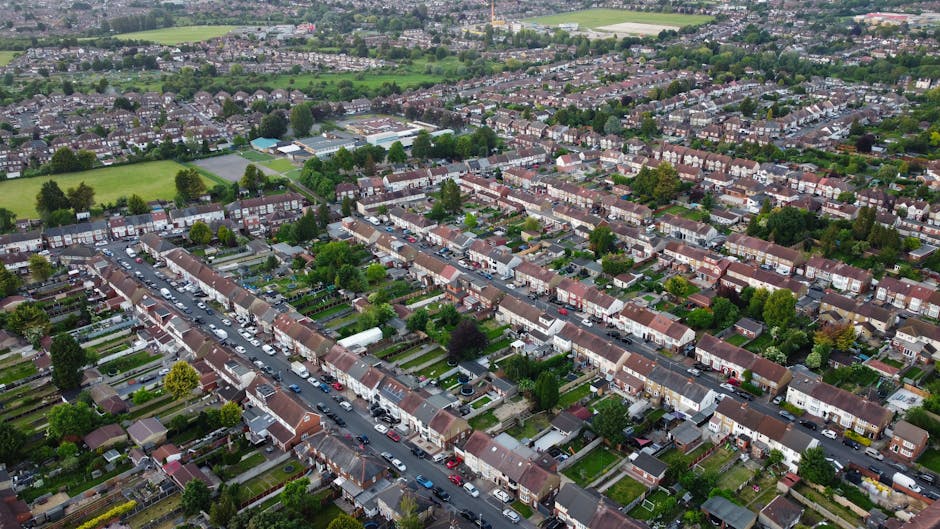
Edgware is a long-established area in north-west London, known for sitting at the edge of the built-up capital while still retaining a recognisable high street character and suburban residential pattern. It has grown around historic routes and local centres of activity, with transport links that have made it an important stopping point and meeting place for generations. The present-day area includes a mix of older streets, post-war development and more recent residential and commercial buildings, creating a landscape that feels layered rather than uniform. Major roads and rail or Underground connections have shaped movement through the district for many years, while local shopping streets and neighbourhood facilities give it a practical everyday identity. Green spaces and open land in the wider district provide contrast with the denser areas near the centre, and the result is a place where urban convenience sits alongside quieter residential pockets. Like many north-west London localities, Edgware has changed over time through redevelopment, changing retail patterns and new housing, yet it still keeps a clear sense of place through familiar landmarks, established roads and the steady presence of local services. The area’s built environment ranges from terraces and semidetached homes to larger blocks and mixed-use streets, which gives it variety in both scale and atmosphere. That blend of history, movement and neighbourhood life is part of what makes Edgware easy to recognise as its own distinct part of London.
House removals that fit the property and the schedule

Household moving works best when the service is fitted to the property rather than the other way around. That may mean a straightforward load for a smaller home, or a more carefully sequenced move for a larger property with furniture that needs attention. Our role is to help make that process practical, with attention to carrying order, transport space and the best way to move the contents without unnecessary delay.
The linked man and van, man with van and man with a van pages are useful if you want to compare lighter moving options with a fuller removals arrangement. For some customers, a smaller-scale service is enough for furniture, boxes and a few larger household items. For others, the better fit is a broader domestic removals package that deals with all the main rooms and the logistics of loading and delivery in one visit.
However you approach the move, it helps to keep the main question in view: what needs to arrive safely, and in what order should it be handled? If you are gathering information now, use the service pages to compare the moving style that suits your situation, then ask for a quotation once you have a clear outline. A well-planned removals day is usually the one where everyone knows what matters most.
What to include when you ask for a quotation
A useful quotation request should give enough detail for the moving work to be understood without turning into a long essay. The most helpful points are the property type, the rooms involved, any large or delicate items, access issues such as stairs or narrow entrances, and whether you need packing or dismantling support. That information gives a better basis for planning than a vague description, and it helps keep expectations realistic on both sides.
If you are comparing house-moving options across different kinds of service, the pages for movers, removals near me and man with van removal may help you narrow down the style of move you want. They can be useful when you are deciding whether you need a simple transport arrangement, a more hands-on moving service or a domestic removal that includes packing and careful room-to-room handling.
Ready to take the next step? Contact us for a quotation and include the essentials of your move, then we can help shape the right removals plan for Edgware. If your move includes specialist access or heavier items, mention those early so the quotation reflects the full scope of the work.